Ro Ghoul Hack Roblox
5 years ago
| Location | Activity | Google Earth Content |
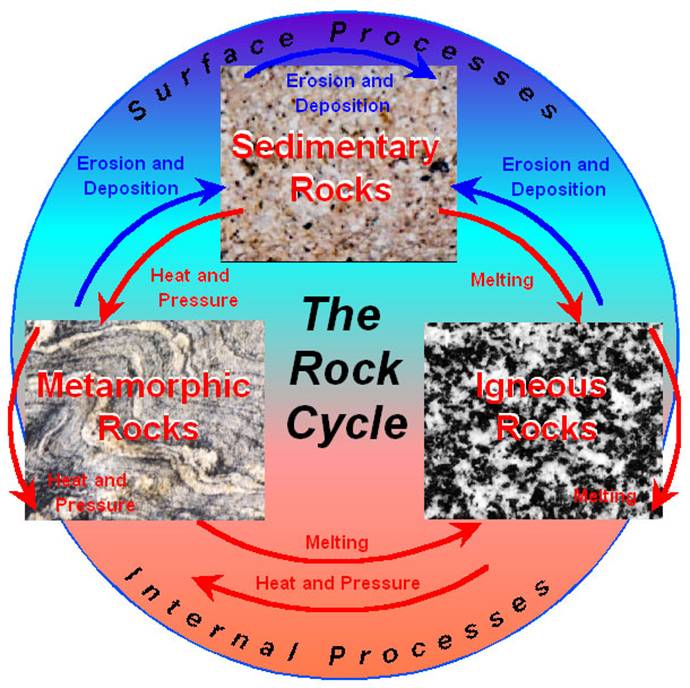
| 1.West Indies (igneous) | Briefly introduce the rock cycle and explain that they will see places where all 3 parts occur. Have students reach the location on GoogleEarth. Ask the students what type of rock is formed at the volcano they see at Mount Rausu; discuss what happens in forming igneous rocks. Then have them watch the igneous rock video at http://activities.macmillanmh.com/science/c a/scienceinmotion/Common/SIM.html?Module=../Grade4/Chapter3-IgneousRockFormation/Then have the students look at pictures of various igneous rocks. | Panoramio Terrain Feature Lables Pathway |
| 2.Grand Canyon, Arizona (sedimentary) | Have students reach the location on GoogleEarth. Teacher will explain process of forming sedimentary rocks. Have them watch the sedimentary rock video at http://activities.macmillanmh.com/science/c a/scienceinmotion/Common/SIM.html?Module=../Grade4/Chapter3-IgneousRockFormation/ Have students look at pictures of various sedimentary rocks | Panoramio Terrain Feature Lables Pathway |
| 3.Maunola, Hawaii (metamorphic) | Have students reach the location on GoogleEarth. Teacher will explain process of forming metamorphic rocks. Have them watch the metamorphic rock video at http://activities.macmillanmh.com/science/c a/scienceinmotion/Common/SIM.html?Module=../Grade4/Chapter3-IgneousRockFormation/Have students look at pictures of various metamorphic rock | Panoramio Terrain Feature Lables Pathway |
| 4.Karnataka, India (sedimentary) | Have students reach the location on GoogleEarth. Have students explore this area using the zoom features and others available to identify at least one type of rock in the area. Once students identified one rock formation have students explore other locations and the rocks there. | Panoramio Terrain Feature Lables Pathway |
| Details of image overlay / path / polygon: | In our Google tour we used the Geographic web features of Panoramio. We also used the terrain feature, and labels so the students would know what they were actually looking at. Our tour began at Mount Rausu, Japan, it then went to the Grand Canyon, Arizona, next it went to Manualoa, Hawaii, and finally to Karnataka, India. The path shows the travel route to each location. |
My partner for my in-class teaching experience was Ellie Campbell. One of the biggest strengths of the experience was that my partner and I cooperated so well together. We were able to work independently before we met to come up with ideas on our own about our subject and interesting ways to present it to the class and then when we met together our ideas collaborated and we were able to come up with more ideas together. The subject we were assigned to present to the class was “Cognitive Development & Language” and we presented to the class Piaget’s cognitive theory of development. Another strength of my presentation was that I implemented the use of many videos to explain concepts and present examples of behaviors. Since it was impossible to bring in a child to demonstrate conservation or egocentrism, we used videos of children to show these. I think that this was most beneficial for the class to understand the concepts. A weakness that I noticed that our presentation had was that we did not have a very interesting attention getter or anticipatory set. In another class we discussed the importance of this and getting students minds ready for a lesson and I feel like our presentation lacked this. If I were to present again I would include an activity to preface what would be taught later. I think that this would improve the presentation. The educational psychology principles that I tried to incorporate in my teaching was implementing several areas of Bloom’s taxonomy. We had the class analyze what they saw in the short movie clips in small table groups and they then applied their knowledge and understanding of the concepts by presenting the information to the class or creating word maps using vocabulary explained. We used aspects of informational processing theory to help the class remember the important concepts we tried to teach, we showed the class how to categorize and group new information using charts we gave them and also charts they created themselves. We modeled chunking to the class and I think this also helped them to remember what was taught. I really feel confident about the lesson Ellie and I taught the class. I feel like the concepts we concentrated on were explained effectively and in a way in which the class will remember.
a. a. Spencer believes that he will be able to make the basketball team before try-outs begin.
b. b. Darren does not know much about physical education but has asked to meet with a physical education professor to learn more.
c. c. Paige always stops and thinks about the problems she faces and how to solve them.
d. d. During a horseriding lesson, Renee watched her instructor trot and do tempe changes to learn how to do them herself.
e. e. Julie comes to an answer during her test during logical and systematical examination of the problem, using the evidence given.
1. 1. Cognitive apprenticeship
2. 2. Social learning theory
3. 3. Self-efficacy
4. 4. Critical Thinking
5. 5. Self-regulation
answers: 1. b, 2.d , 3. a, 4. e, 5. c